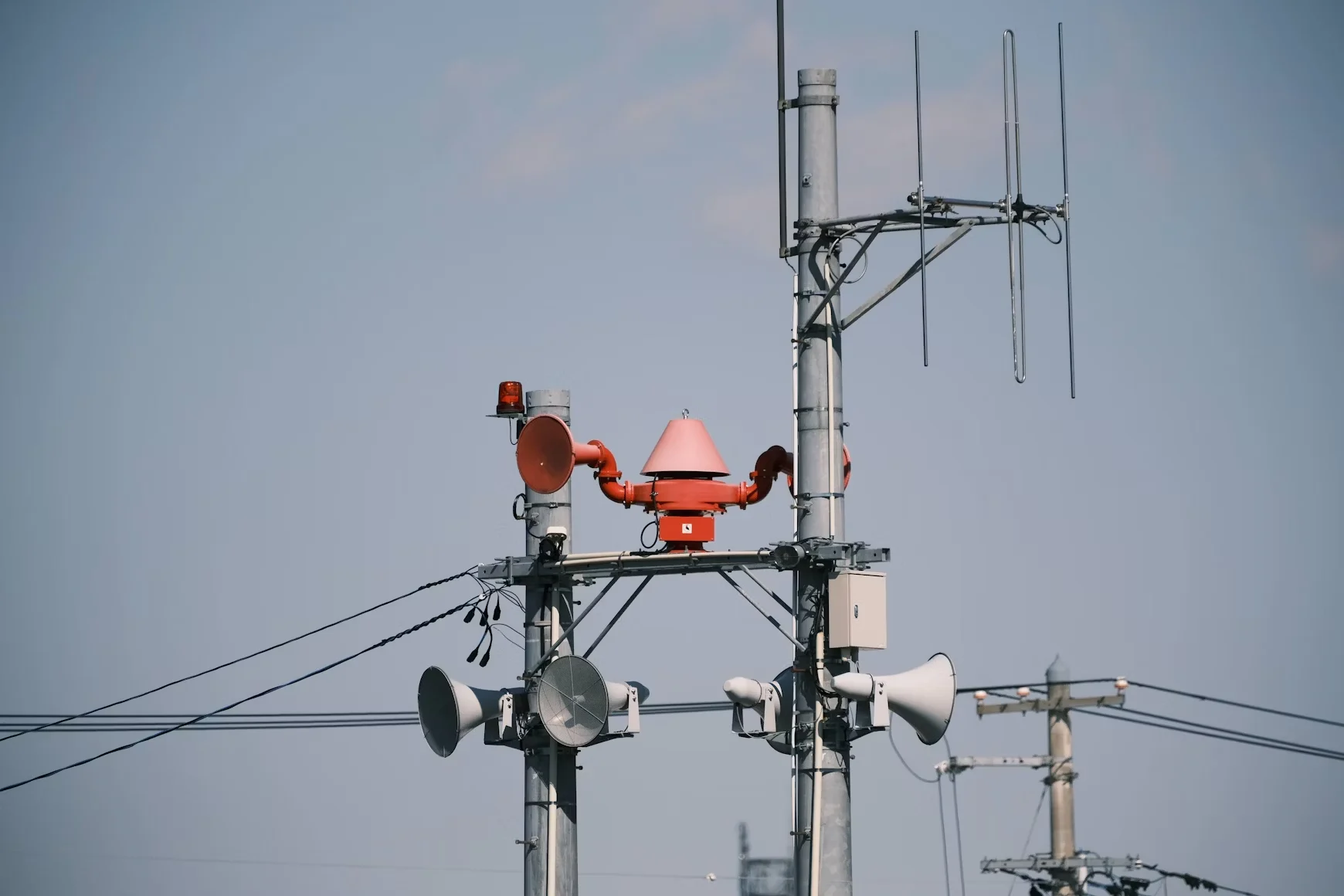
Spoken announcements in public areas like classrooms, conference halls, shopping malls, stadiums, train stations, airports, concert halls, or similar locations should be well understandable to the audience. Particularly, it is critical to clearly inform persons in danger about escape information and directions in case of an emergency. It is therefore essential to verify the speech intelligibility in these places by using a reproducible and accurate method.
Speech Transmission Index STI is the most acknowledged standardized parameter for assessing the intelligibility of a spoken message.
Analysis of speech intelligibility STI
Measurement procedure
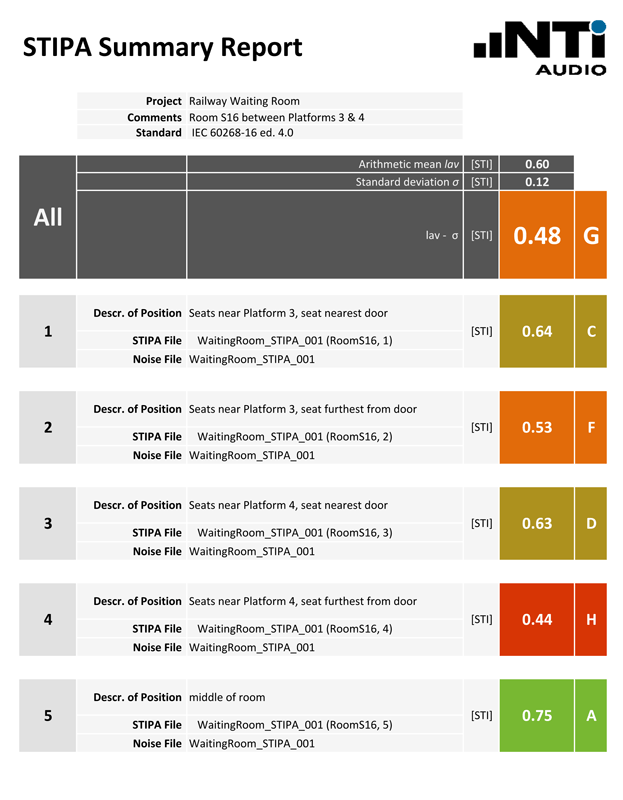
Standardized reporting of the results
Basics
Speech intelligibility is measured by reproducing a known signal (the STIPA test signal) and measuring the quality of that signal as it reaches each of the measurement positions. The IEC 60268-16 standard for STI defines how any degradation in the signal is measured and the intelligibility result displayed as a single number from 0 (unintelligible) to 1 (excellent intelligibility). Measurement units are STI (Speech Transmission Index) or CIS (Common Intelligibility Scale).
Factors that influence the intelligibility of speech
sound pressure level (speech must be loud enough, but not too loud)
ambient noise level (e.g. crowds or passing traffic)
reverberation time (sound reflects off smooth surfaces; we need some reflections but not too many)
Also, if a Public Address (PA) system is being used for the announcements
frequency response of the PA system (e.g. too much bass)
signal-to-noise ratio (i.e. quality of the system)
The STIPA Test Signal
The STIPA test signal is a modulated sinusoidal Pink Noise in the octave band range from 125 Hz to 8 kHz. The modulation and range mimics a person’s voice with its varying intensity over time. Nevertheless, the STIPA test signal sounds nothing like a human voice; it is a modulated Pink Noise.
Rooms without Audio Systems
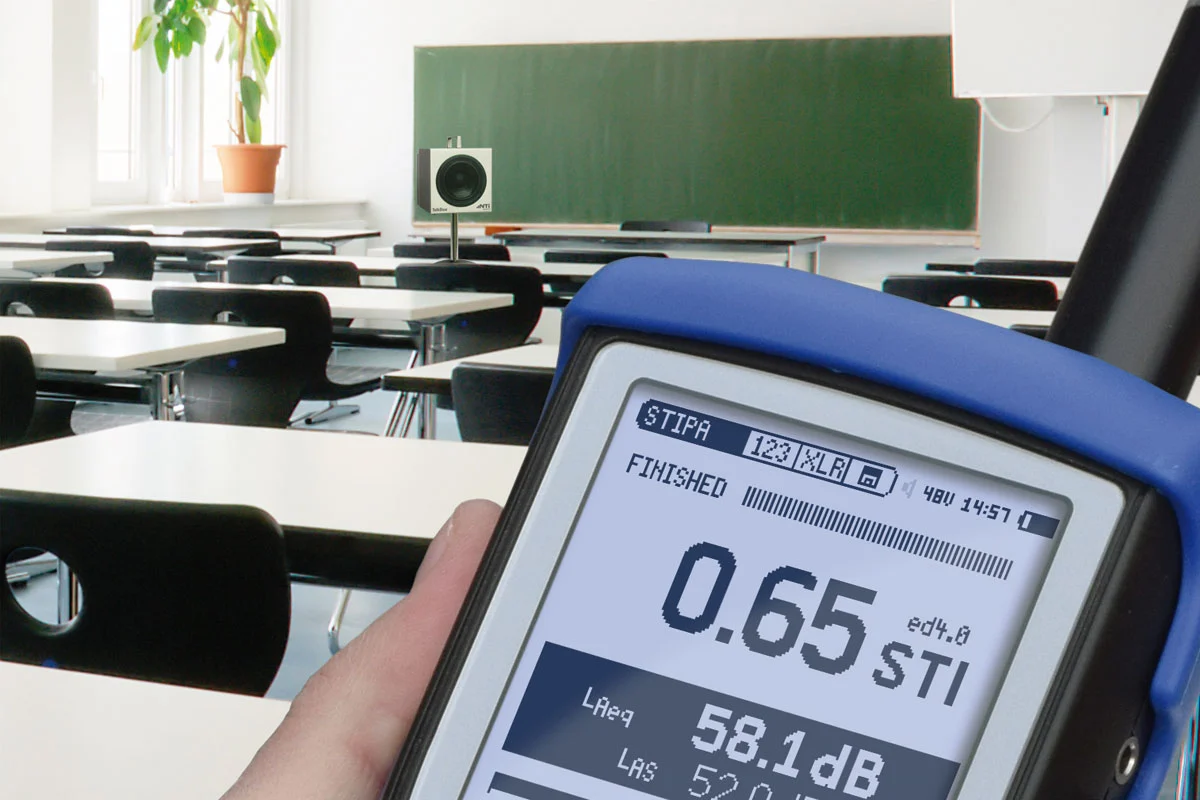
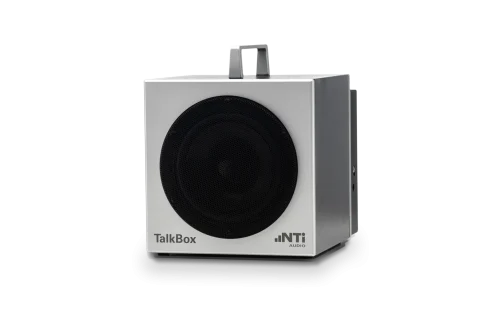
In locations such as classrooms, where no PA system is installed, the STIPA test signal should be reproduced by an appropriate loudspeaker at the position and with the typical sound pressure level of the speaker (the teacher). Requirements for such a loudspeaker are defined in the IEC 60268-16 standard, which states that the typical level of a human talker corresponds to 60 dBA @ 1 m distance.
Furthermore, the ITU-T P.51 standard defines an appropriate loudspeaker to be one where the radiation characteristic corresponds broadly to that of a human mouth.
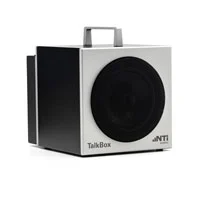
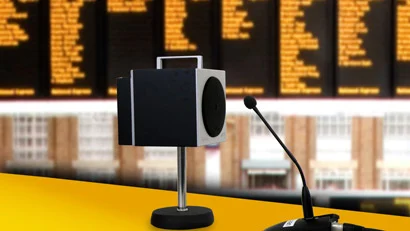
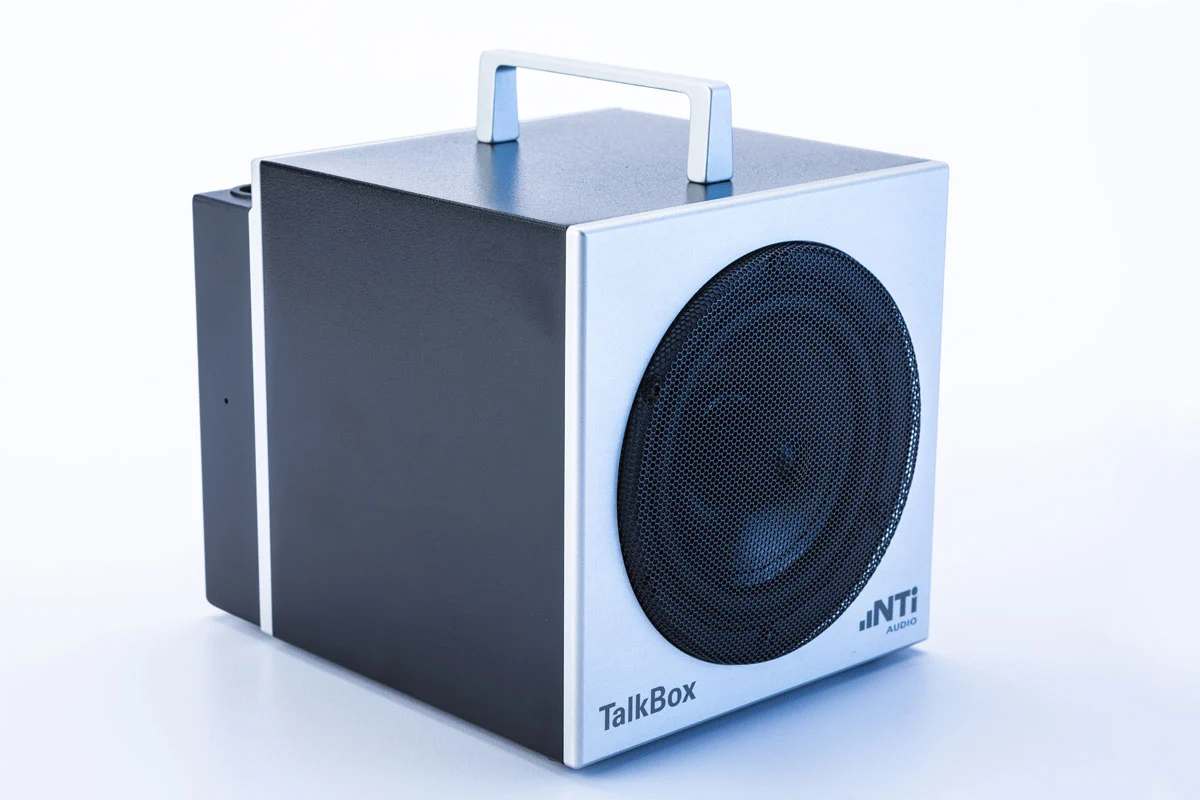
The Talkbox acoustic signal generator with built-in loudspeaker is designed for this application.
Audio Systems with Voice Microphones
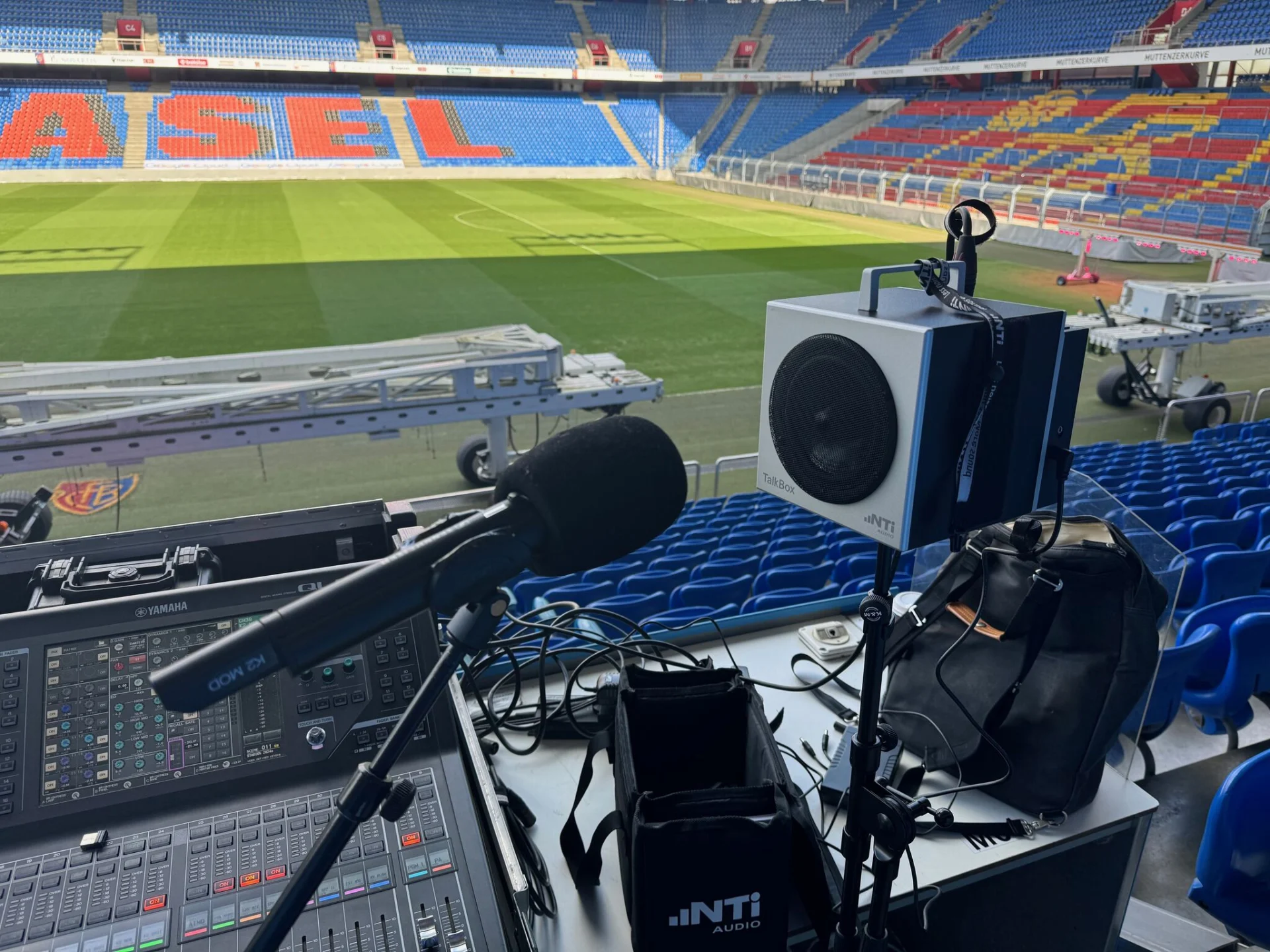
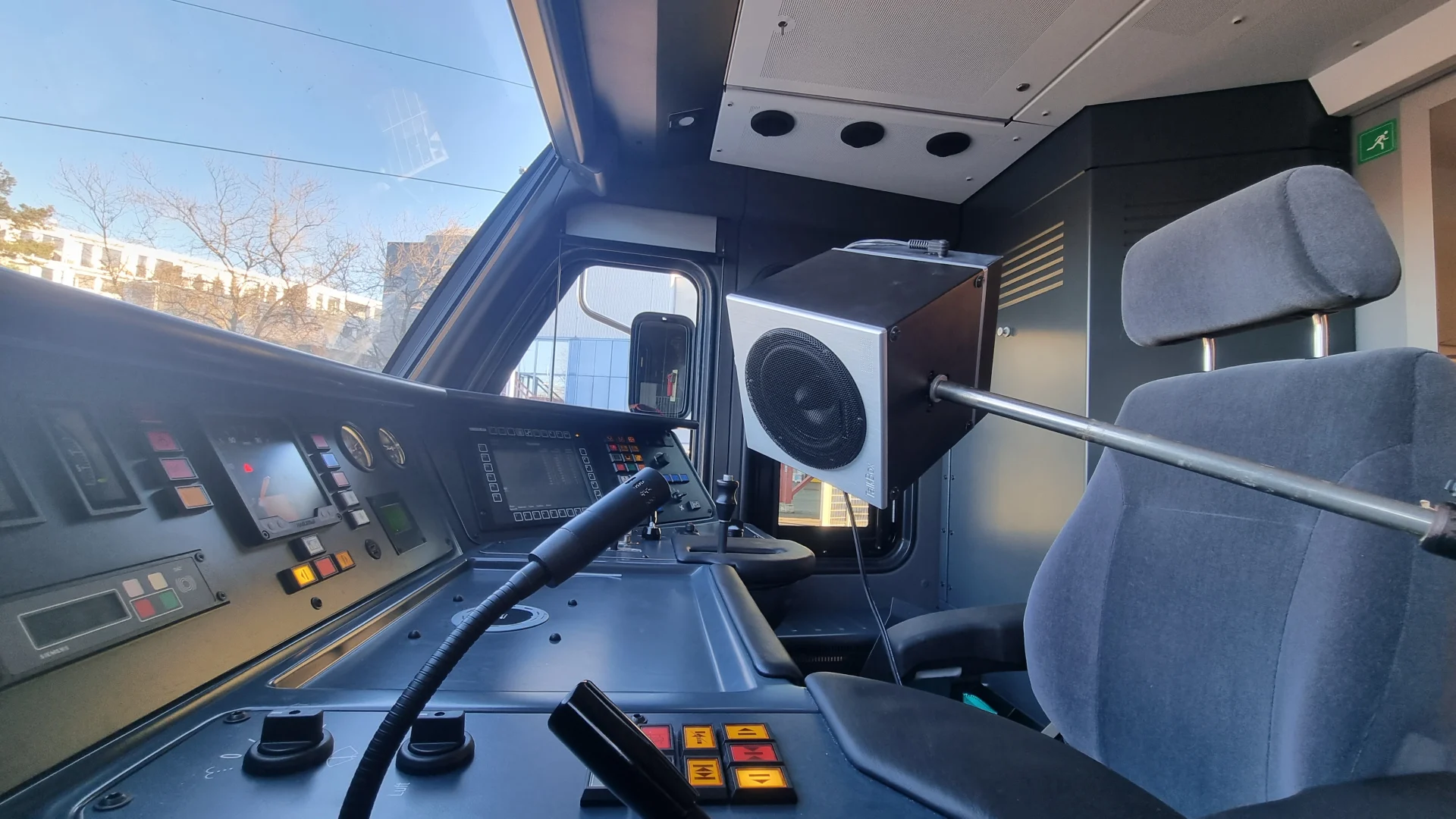
In locations where the announcement is picked up by a voice microphone, and then broadcast through a PA system, the STIPA test signal must be replayed acoustically into the microphone. For this purpose, an appropriate loudspeaker is required to present the standardized voice-like acoustic signal, simulating a human talker according to IEC 60268-16, at the correct levels. This setup considers the entire signal path for an accurate speech intelligibility measurement, including all effects of the operator’s microphone and environment.
Again, the Talkbox acoustic signal generator + loudspeaker is designed for this application.
Audio Systems without Voice Microphones
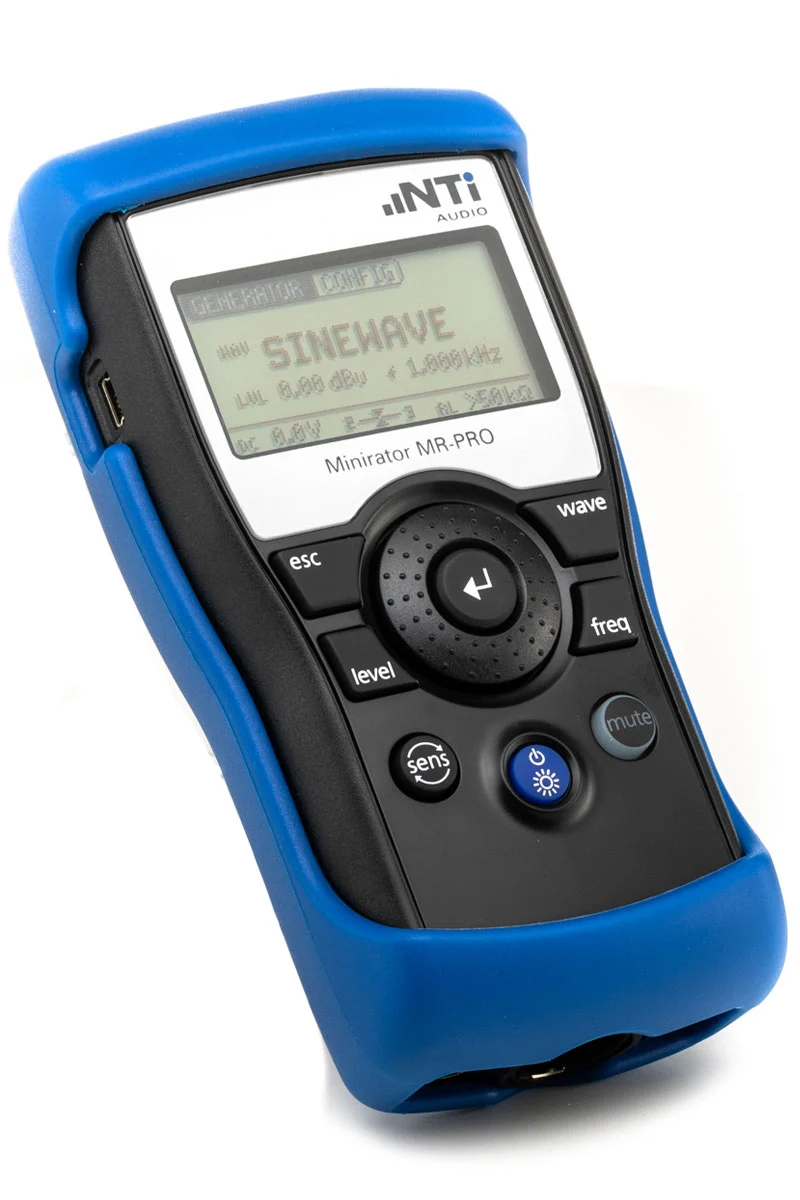
If the location comprises of a PA system including a hard drive to replay pre-recorded announcements, the STIPA test signal must be injected electronically from an external sound generator. This generator must be able to continuously play the STIPA test signal at selectable line levels.
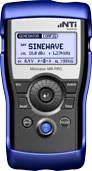
The MR-PRO audio signal generator is designed for this application.
STI Measurement
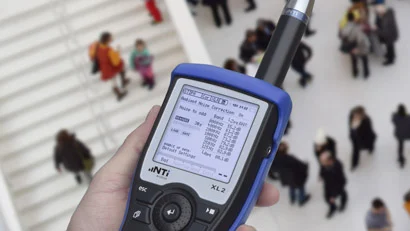
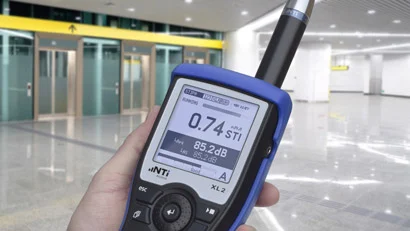
For the evaluation of the acoustic STIPA test signal, you need an STI analyzer. It is recommended that this device be hand-held and portable. The reason is that, for the complete STI assessment of a room, you typically have to execute several measurements at different positions, each of them lasting 15 seconds.
After averaging this data, and optionally applying ambient noise correction, it will be convenient for you to check the results immediately. This allows you to implement changes to the acoustics of the room straight away, if necessary, in order to improve the speech intelligibility, and measure again.
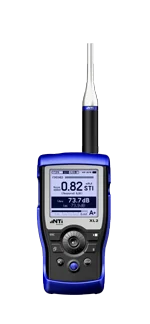
The XL3 and XL2 Analyzers are both capable of STIPA measurements.
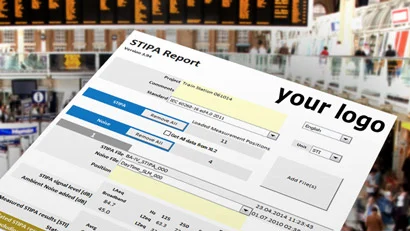
STI Reporting Tool
The final task of an STI assessment is to create a measurement report according to one or more of the following standards
AS 1670.4
CEN/TS 54-32:2015
DIN EN 50849:2017
IEC 60268-16
ISO 7240-19:2007
VDE V 0833-4-32:2016
VDE 0828-1:2017-11
You could therefore do with a tool that provides such a report, additionally calculating the effect of ambient noise on the STI result.
The STI Reporting Tool provides such a solution.
System Requirements:
PC running Windows XP, 7, 8 and 10
Excel 2010, 2013 or 2016 (32 bit or 64 bit)
Optimize Speech Intelligibility
Best intelligibility is achieved at announcement levels in the range of 70-80 dBSPL. At a higher sound pressure level, the self-protection mechanism of the ear steps in, which is reflected in a reduced STI result. If you’ve measured, for example, a perfect intelligibility of 1.00 STI in a room with a speaker level of 70 dBSPL, then the maximum intelligibility in the room would reduce down to 0.90 STI if the announcement level were to increase to 90 dBSPL.
4 Steps to the Speech Intelligibility Report
Record the background noise with an Analyzer when the location is full.
With the location empty (perhaps at night), place a TalkBox in front of the announcer’s microphone.
Press Start button on the XL2 or XL3 to measure the STI.
Print your Report.
Learn more about Speech Intelligibility Measurements
This webinar explains the measurement methods, workflow and result reporting for Speech Transmission Index for Public Address (STIPA).
Frequently Asked Questions
How do I ensure accurate XL2 sound level measurements on site?
Use the XL2 with a suitable measurement microphone and perform a quick acoustic calibration with a sound calibrator (typically 94 dB at 1 kHz) before and after the measurement session. This creates traceable results and helps catch setup or microphone issues early.
How is MR PRO typically used together with NTi analyzers for tasks like STIPA and system optimization?
For STIPA, MR PRO is commonly used to inject the STIPA test signal electronically into line inputs of PA and life safety systems, while an NTi analyzer such as the XL2 measures and evaluates intelligibility. In day to day optimization, MR PRO provides stable test signals for tracing the signal chain, level setting, polarity checks, and rapid system troubleshooting together with NTi measurement instruments.
To provide the best experiences, we use technologies like cookies to store and/or access device information. Consenting to these technologies will allow us to process data such as browsing behavior or unique IDs on this site. Not consenting or withdrawing consent, may adversely affect certain features and functions.
Functional
Always active
The technical storage or access is strictly necessary for the legitimate purpose of enabling the use of a specific service explicitly requested by the subscriber or user, or for the sole purpose of carrying out the transmission of a communication over an electronic communications network.
Preferences
The technical storage or access is necessary for the legitimate purpose of storing preferences that are not requested by the subscriber or user.
Statistics
The technical storage or access that is used exclusively for statistical purposes.The technical storage or access that is used exclusively for anonymous statistical purposes. Without a subpoena, voluntary compliance on the part of your Internet Service Provider, or additional records from a third party, information stored or retrieved for this purpose alone cannot usually be used to identify you.
Marketing
The technical storage or access is required to create user profiles to send advertising, or to track the user on a website or across several websites for similar marketing purposes.